

Concussion rehabilitation in Basel
Recovery, persistent symptoms and return to activity after a concussion
Have you had a concussion? Some symptoms settle quickly after an accident, fall or sports-related impact. Others only become obvious later (at work, during exercise, in front of a screen or simply when the day gets longer). When that starts to interfere with everyday life, specialized physiotherapy can support:
✴ targeted rehabilitation
✴ return to daily activities and work
✴ gradual and safe return to sport
I also support people with persistent symptoms after concussion. Rather than putting everything under one broad “post-concussion” label, the assessment tries to separate what is actually driving the limitation (exercise tolerance, vestibular function, vision, neck, balance or another factor). Only then does the progression become specific enough to be useful.

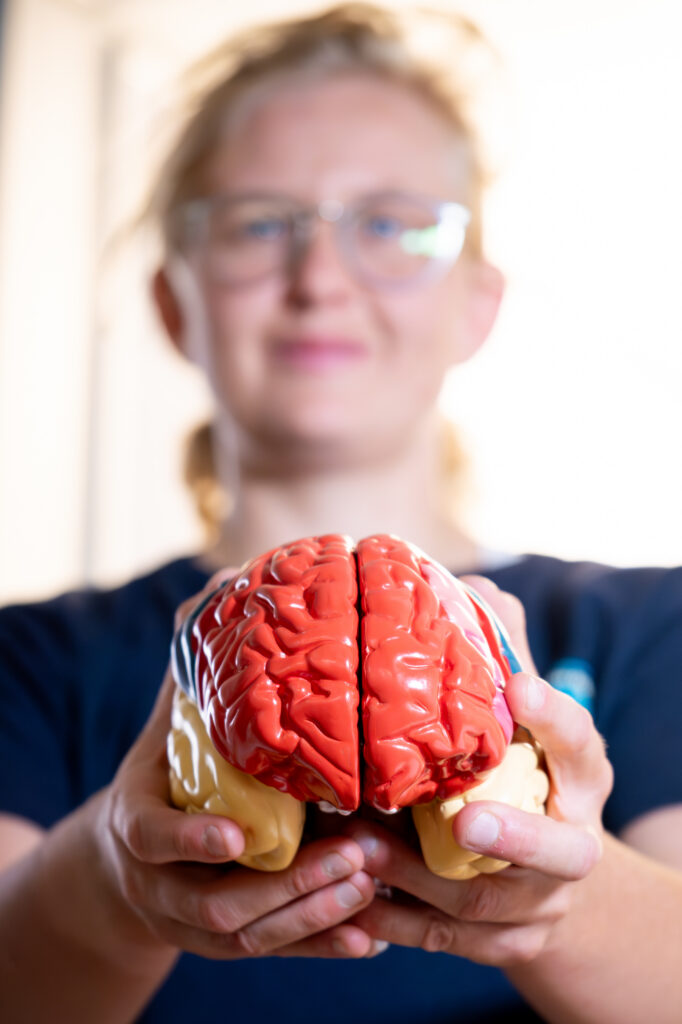
Terms you may come across
Depending on the country, clinician or sports setting, you may see several terms in reports or medical notes: concussion, mild traumatic brain injury, mTBI, mild TBI or sport-related concussion (SRC). These terms overlap, but they are not always used in exactly the same way.
Other diagnoses may occur after the same incident, including whiplash, whiplash injury, whiplash-associated disorder (WAD) or cervical sprain/strain. These mainly refer to the neck and are not synonyms for concussion, although both can occur together. Post-concussion syndrome and persistent post-concussion symptoms describe symptoms that continue beyond the early phase.
Do any of these symptoms sound familiar?
Concussion symptoms can look very different from one person to another. Balance may be the main issue. Or vision. Or the neck. Or exercise tolerance. Sometimes the hardest part is simply getting through a normal day again.
Headaches & pressure
Headaches, pressure or a feeling of heaviness in the head. Symptoms may also build as the day goes on.
Dizziness & balance
You may feel unsteady, dizzy or nauseous. Some people also feel less stable while walking or moving.
Vision, reading & screens
Visual fatigue, discomfort with screens or difficulty reading can occur. Eye movements may also trigger symptoms.
Neck & cervical spine
Neck pain, stiffness or tension can remain after the injury. In addition, some headaches may be linked to the cervical spine.
Reduced exercise tolerance
Symptoms may return during brisk walking, cardio or training. They can also increase after a physically demanding day.
Difficulty returning to activity
Fatigue or concentration problems can make the return to work, studies or sport harder. Persistent symptoms may also slow this process.
What can a concussion assessment include?
Because concussion presentations vary so much, the assessment should not feel like a fixed checklist. I focus on the systems that fit your symptoms, your history and what you are trying to return to (not on testing everything simply because it exists).
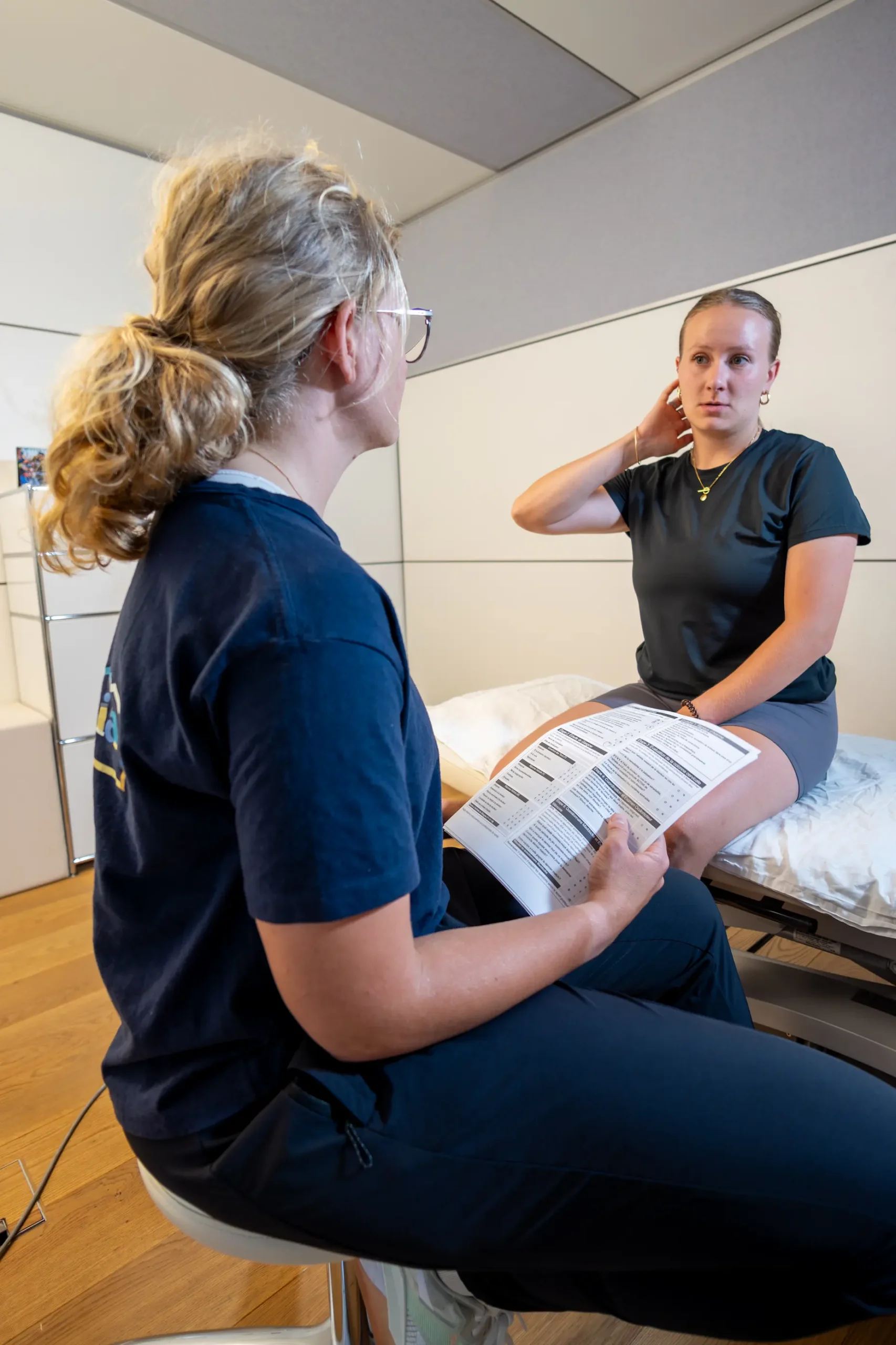
I schedule at least one hour for the first assessment. That is deliberate. A concussion is rarely clarified well with a few quick questions and two tests; the extra time lets us look at the whole picture and decide what actually needs closer assessment.
Click a section to learn more.
Symptoms & history
We start by reviewing your symptoms, how they have changed and how they affect daily life, work, study or sport.
Oculomotor function
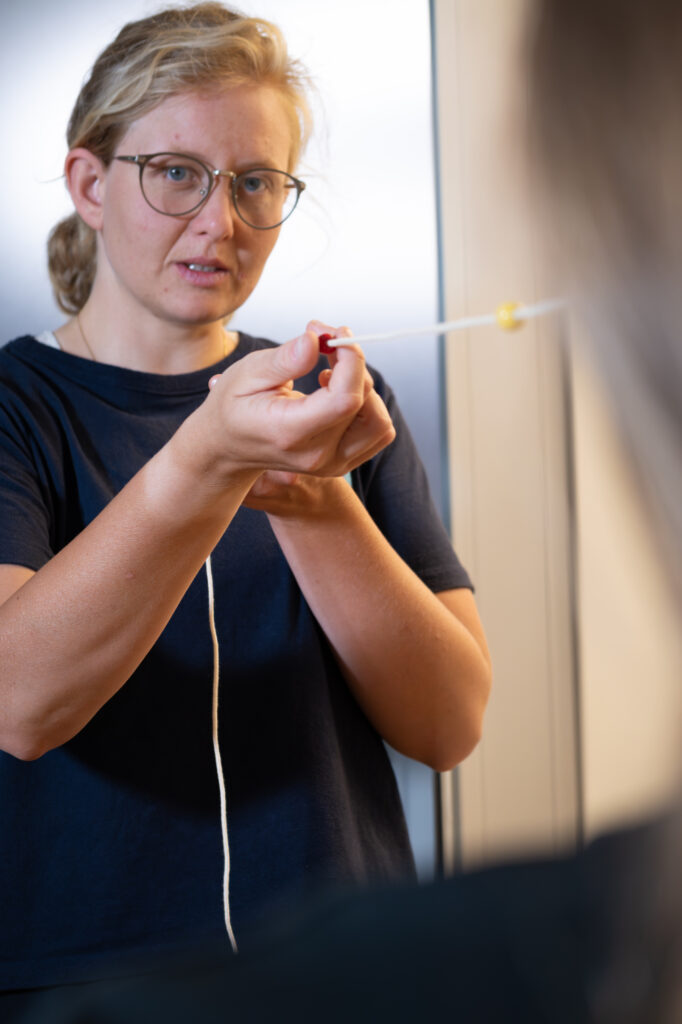
Eye movements, convergence, reading and visual tolerance can be assessed, especially when screens or eye movements trigger symptoms.
Vestibular system
Next, I check whether the vestibular system may contribute to dizziness, nausea or unsteadiness.
Semicircular canals
If dizziness depends on head position, the inner ear and semicircular canals can be assessed specifically.
Balance
Balance and postural control are tested in different static and dynamic situations.
Cervical spine
The neck is also assessed to see whether mobility or cervical control contributes to headache, dizziness or other symptoms.
Exercise tolerance
During physical effort, I observe how your symptoms respond. This helps guide a gradual return to activity.
Autonomic nervous system
When relevant, the response to position changes, heart rate, recovery and physical load is also considered.
Sleep & fatigue
Sleep quality, fatigue and recovery are taken into account because they can affect daily function and load tolerance.
Cognition & concentration
Concentration problems, cognitive overload and mental fatigue are considered in real-life situations.
Emotions & stress
Stress and anxiety do not cause a concussion. However, they can influence recovery and the way symptoms are experienced.
Return to work, study or sport
Finally, the assessment helps tailor your return to the real demands of daily life, work or sport.
The diagnosis may have the same name, yet every concussion is different. The assessment and rehabilitation therefore need to match the systems, symptoms and goals of each individual patient.
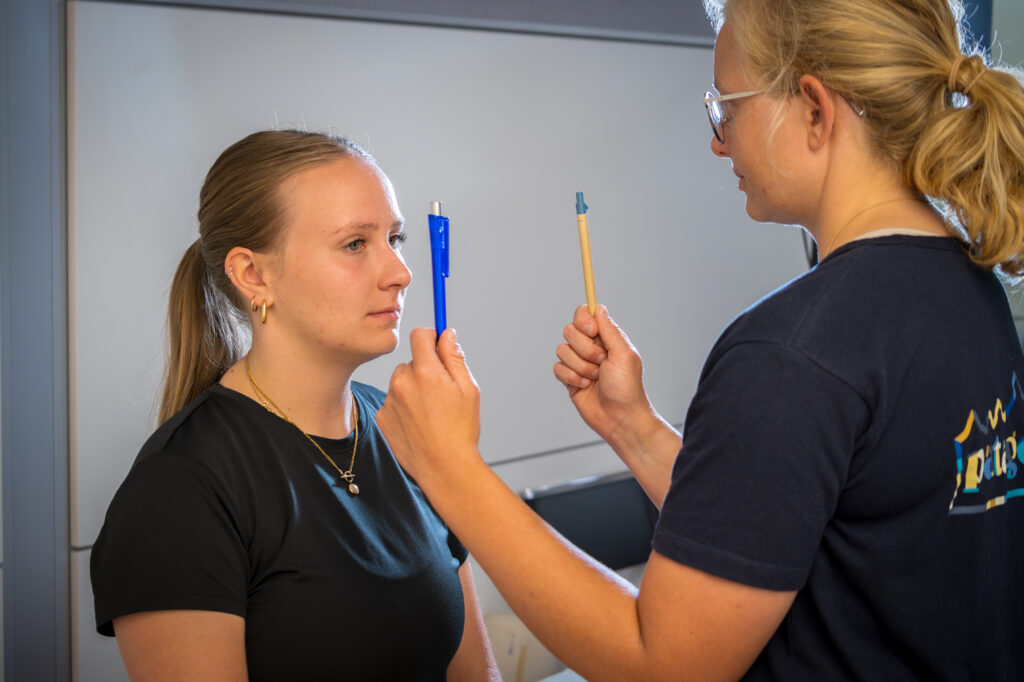
🧠 My approach: expertise and ongoing training
As a specialized physiotherapist, I have specific experience in concussion assessment and rehabilitation. I continue to update my practice through ongoing education and current scientific recommendations. Treatment may include:
- Vestibular rehabilitation for dizziness and balance problems
- Cervical treatment for neck pain and tension
- Graduated exercise for return to daily activity and sport
- Targeted work on exercise tolerance when symptoms return with physical load
Every program is individualized. It is based on your symptoms, goals and current tolerance.
Have symptoms persisted for several weeks or months?
Then it may be useful to reassess the situation. First, the goal is to identify what is still limiting daily life, work or sport. The rehabilitation plan can then be adjusted to your needs. You can also visit Book an appointment for practical information.
✅ Statistics: Available figures probably underestimate the true number of concussions. This injury is often missed or underreported.
Frequently asked questions after a concussion
When should I start physiotherapy after a concussion?
Ideally, physiotherapy should start as early as possible after a concussion, once any urgent medical concerns have been ruled out. Early assessment can help guide activity and identify the factors that need attention. However, if more time has already passed, that is not a problem: physiotherapy can still be useful. The important thing is simply not to lose more time if symptoms persist or return with activity.
Do I need a medical prescription?
For treatment covered by Swiss health or accident insurance, a medical prescription is generally required. However, a detailed assessment can also be booked privately. Practical information is available on the Book an appointment page.
How long does the first assessment take?
I schedule at least one hour for the first assessment. This gives us enough time to explore the relevant areas. These may include symptoms, oculomotor function, vestibular function, balance, the cervical spine and exercise tolerance.
When can I return to sport after a concussion?
Return to sport is gradual. First, I look at how your symptoms respond to effort. Then, the progression is adapted to the demands of your sport. Time since the injury is therefore not the only factor. When appropriate, this process can be supported through sports physiotherapy.
Can physiotherapy help with dizziness or problems with screens?
Yes. If vestibular, oculomotor or cervical factors contribute to your symptoms, I assess them specifically. Then, rehabilitation can be adapted to the movements or situations that trigger symptoms. You can also read more on the Dizziness and Vestibular System page.
Book an appointment for concussion care
If you have a concussion or persistent symptoms after concussion, you can book directly through Tbooking. I schedule at least one hour for the first assessment so there is enough time for a thorough, individualized evaluation.
Are you a parent, coach or club representative? Think about prevention and early recognition of concussion in your athletes.
🏉.-
Millie Brecheisen
Club workshops and education for athletes, coaches and families.
I can support clubs with practical, science-based concussion education:
- clear signs that may suggest a concussion
- practical advice based on current evidence rather than common myths
- targeted exercises and sensible next steps
- guidance to reduce secondary injury risk and refer athletes appropriately
Contact me if you would like to organize an interactive and practical workshop.
You may also be interested in
Read more about dizziness and vestibular rehabilitation, sports physiotherapy, or explore the full physiotherapy services in Basel.
Contact & Appointments
Physio-Sport Brecheisen – Basel
Do you have a question or would you like to book an appointment?
I am happy to answer your questions and support you throughout your rehabilitation. You can contact me by phone, email or WhatsApp.
Phone number
Address
Open hours
Tuesday to Friday : 08h00 – 18h00
Tuesday and Thursday : open until 20h00